




More than 90% of all metal products are made of steel. With a material that prevalent and prominent, it’s an understatement to say it’s important for steel to be sustainable. And it is. Steel is one of the most environmentally friendly materials on the planet and is considered a green construction material. One of the […]
read MoreCarbon steel and alloy steel have a lot in common: they’re abundant, versatile, durable, and 100% recyclable. Even among the commonalities, though, they start to differ. There are more than 3,500 grades of steel, so how do you know which steel is right for your project? The first thing to consider is whether you’ll be […]
read MoreFraming in construction is essential to every structure. It is, literally, the frame onto which everything else is built. You could think of it as a building’s skeleton. The frame supports the roof and shingles, attaches to the foundation, and holds the floors, ceilings, walls, windows, doors, cabinets, décor, and more in place. The two […]
read MoreFinding a steel supplier that has what you need, when you need it, and reliably gets it to you on time makes it much easier for you to continue your operations as usual without needing to worry about where your steel is. But how do you know which supplier is best for you? Here are […]
read MoreIn the simplest of terms, steel is a combination of iron and carbon, but how iron and carbon (and other alloying elements) come together to create steel with different properties and characteristics is a far more complex matter. Steel is the most significant and extensively used construction material on the planet, as evidenced by its […]
read MoreIndustry 4.0 has drastically changed almost every industry globally, and the steel industry, despite being one of the world’s oldest industries, is no exception. Let’s explore how Industry 4.0 is shaping and revolutionizing the steel industry. What is Industry 4.0 and How Does it Relate to the Steel Industry? Often referred to as the fourth […]
read MoreOriginally signed into law by President Herbert Hoover on his final day in office in 1933, the Buy American Act has been revised a number of times since, all with the goal of strengthening American industries and creating jobs for American workers. What is the Buy American Act? The Buy American Act became a United […]
read MoreAs electric vehicle use continues to grow, the easiest difference for most people to see is the obvious: electric vehicles are powered by batteries rather than internal combustion engines, which reduces the carbon footprint of travelers and manufacturers alike. That’s true, but when we look closer, the quest to reduce carbon emissions is also creating […]
read MoreManufacturing policies change – to some degree – with every election, be it a national election that impacts manufacturers all over the country or a local election that may only impact a few. Nationally, any time there’s a shift from one party controlling the White House to another, as the United States is experiencing as […]
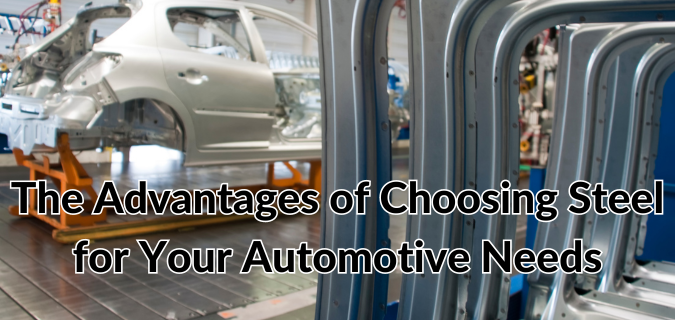
read MoreSteel is incredibly valuable in the automotive industry, as its versatility allows it to be used in just about every part of a vehicle for a variety of purposes. The immense strength and relative light weight of steel make it ideal for protection, support, and cost-effectiveness. From the frame and chassis to roofs, door beams, […]
read More