
Cold drawn steel can be found in many consumer products that we use on a daily basis, as it has the physical and appealing characteristics that make it useful for many products. We’ve answered some common questions asked when it comes to cold drawn steel, also known as cold finished steel.
What is Cold Drawn Steel?
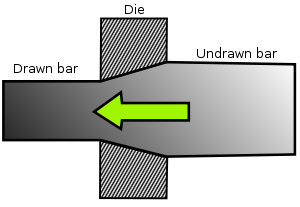
Steel that is drawn passes through a series of dies to achieve a desired shape is known as drawn steel. Dies apply specified amount of pressures with the help of a machine press, and the steel starting stock typically has to be passed through the die or a series of dies more than once. Cold refers to the drawn steel being manufactured at room temperature, which requires additional pressure to shape the steel, but gives the steel extra qualities and visually aesthetic appearance.
What’s the Cold Drawn Steel Process?
Initially, a steel manufacturer starts with a starting stock of steel product – either hot rolled straight bars or hot rolled steel coils – that is brought down to room temperature. Regardless if the end product is bar, tube or wire, the undrawn steel product is drawn through a die, which stretches the starting stock into the desired shape and size. This is done with the help of a grip that attaches to the steel stock and pulls the steel through the die. To the naked eye, the steel does not change much in shape through a single pass through the die, and usually takes multiple passes before it takes on the desired end shape.
What Sizes Does Cold Drawn Steel Come In?
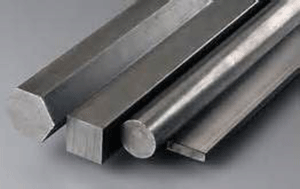 Cold drawn steel can come in a variety of shapes and sizes, but it is commonly manufactured as bar or wire. The diameter of steel bars varies, and shapes of the bars are often determined by how you look at them straight on, which may include flat, square, round and hex bar shape. Steel wire is often manufactured to the customer’s specifications, and may come in different types of finishes.
What are the Benefits of Cold Drawn Steel?
There are a few noticeable benefits that make cold drawn steel desirable over hot rolled steel products.
- Cold drawn steel can be manufactured to more precise measurements than other forms of steel, along with sharper corners. This is due to the fact that hot formed steel products will change in shape during the cooling process.
- Cold drawn steel has an improved yield strength and tensile strength over hot rolled steel products.
- Cold drawn steel has an improved surface finish than hot rolled steel, which makes it more appeasing to the eye.
What is Cold Drawn Steel Used For?
The automotive industry demands a large amount of cold drawn steel products, including vehicle axles, spokes, and wheel spindles. Cold drawn steel is used to make fasteners, hand tools, cables, bolts and paper clips.
For more information, visit our cold drawn steel capabilities page, or visit our cold drawn steel bar or cold drawn wire pages for additional information on the Capital Steel & Wire’s products.